
Mastering How to Locations
 adminMay 30, 2026 · 6 min read
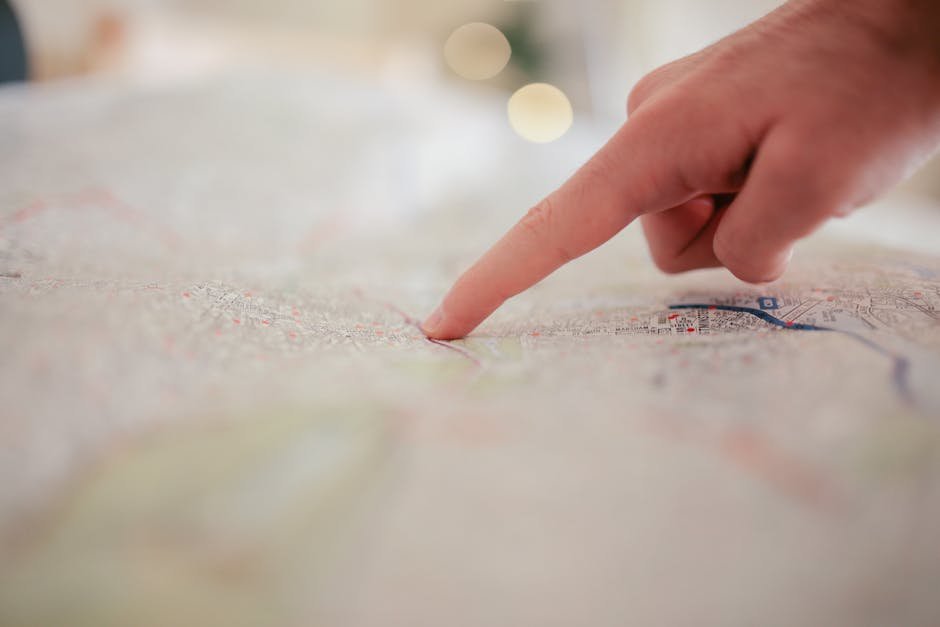
How to locations is a crucial skill and it’s essential to master it. Honestly, I used to struggle with finding my way around, but with practice, I’ve become more confident. In my experience, understanding how to use location-based services is key to navigating unfamiliar areas.
Getting Started with How to Locations
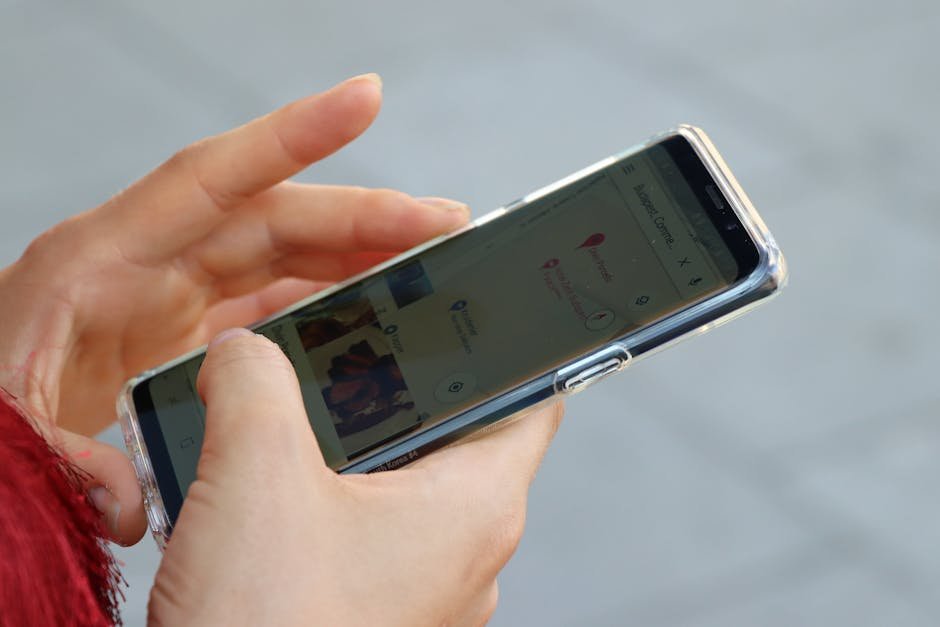
To get started, you’ll need a device with GPS capabilities, such as an iPhone or a Samsung smartphone. You can use apps like Google Maps or Waze to help you navigate. In 2026, these apps have become incredibly accurate, making it easier to find your way around.
For example, let’s say you’re in Mumbai and you need to get to the nearest Starbucks. You can use Google Maps to find the location and get directions. The app will provide you with turn-by-turn directions, and you can even use the street view feature to get a better understanding of the area.
Understanding Location-Based Services
Here is the part nobody tells you: Location-based services use a combination of GPS, cell towers, and Wi-Fi to determine your location. This technology has improved significantly over the years, and it’s now possible to get accurate locations even in areas with limited cell coverage. In my experience, using a device with a built-in GPS chip, like the Apple Watch, can provide more accurate locations than using a smartphone alone.
How GPS Works
I’ll be straight with you — GPS uses a network of satellites orbiting the Earth to provide location information. The process works by the device sending a signal to the satellites, which then respond with their location. The device can then use this information to calculate its own location. This technology has been around since the 1990s, but it’s only recently become widely available in consumer devices.
Setting Up Location Tracking on Your Device
To set up location tracking on your device, you’ll need to enable the location services feature. On an iPhone, you can do this by going to Settings > Location Services. On an Android device, you can go to Settings > Location. Once you’ve enabled location services, you can choose which apps have access to your location.
For example, if you want to use Google Maps to track your location, you’ll need to give the app permission to access your location. You can do this by going to the app’s settings and enabling the location permission. In 2025, Google introduced a new feature that allows you to share your location with friends and family, making it easier to meet up or find each other in crowded areas.
Common Mistakes to Avoid When Using How to Locations
There are several common mistakes to avoid when using how to locations. Here are a few:
- Not enabling location services: This is the most common mistake people make. If you don’t enable location services, you won’t be able to use location-based apps.
- Not calibrating your device: If you don’t calibrate your device, you may get inaccurate location readings. You can calibrate your device by going to the settings and following the calibration process.
- Not using the correct app: There are many location-based apps available, and not all of them are created equal. Make sure you’re using an app that’s suitable for your needs, such as Google Maps or Waze.
In my experience, using the wrong app can lead to frustrating experiences, such as getting lost or stuck in traffic. Honestly, I’ve been there, and it’s not fun. But with the right app and a little practice, you can master how to locations and navigate like a pro.
Advanced Techniques for Mastering How to Locations
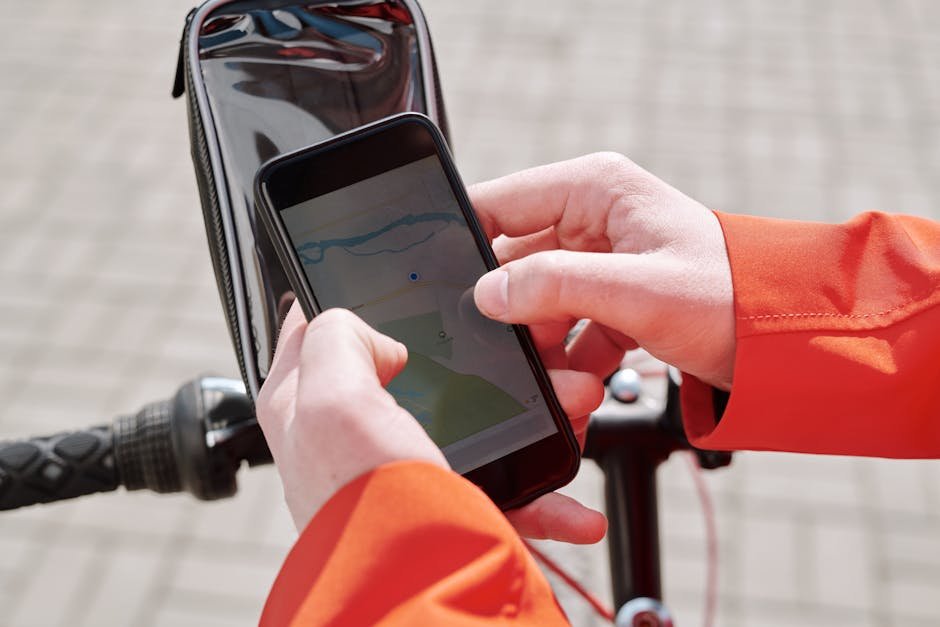
Once you’ve mastered the basics of how to locations, you can start using more advanced techniques to improve your navigation skills. One technique is to use landmarks to help you navigate. This can be especially useful in areas with limited cell coverage or when you’re using a device with a weak GPS signal.
For example, let’s say you’re in Bengaluru and you need to get to the nearest metro station. You can use Google Maps to find the location, but you can also use landmarks like the nearby park or the street signs to help you navigate. This technique can be especially useful in areas with complex street layouts or limited signage.
Real-World Applications of How to Locations
How to locations has many real-world applications, from navigating unfamiliar cities to tracking packages and deliveries. In 2026, companies like Amazon and Uber are using location-based services to improve their delivery times and customer experience.
For example, Amazon uses location-based services to track the location of its delivery drivers and provide customers with real-time updates on the status of their packages. This has improved customer satisfaction and reduced the number of missed deliveries.
Next Steps: Implementing How to Locations in Your Daily Life
Now that you’ve learned how to locations, it’s time to start implementing it in your daily life. Here’s what you can do next:
- Enable location services on your device
- Download a location-based app like Google Maps or Waze
- Practice using the app to navigate unfamiliar areas
For more information on how to locations, you can visit the Google Maps website. Honestly, I’ve found this resource to be incredibly helpful, and I’m sure you’ll too. In my experience, mastering how to locations takes time and practice, but with the right tools and techniques, you can become a pro in no time.
Frequently Asked Questions
What’s how to locations?
How to locations is the process of using location-based services to navigate unfamiliar areas. It involves using a device with GPS capabilities, such as a smartphone or a smartwatch, to get directions and find locations.
How do I enable location services on my device?
To enable location services on your device, go to Settings > Location Services on an iPhone or Settings > Location on an Android device. Then, select the apps that you want to have access to your location.
What are some common mistakes to avoid when using how to locations?
Some common mistakes to avoid when using how to locations include not enabling location services, not calibrating your device, and not using the correct app. These mistakes can lead to inaccurate location readings and frustrating experiences.
How can I improve my navigation skills using how to locations?
To improve your navigation skills using how to locations, practice using location-based apps like Google Maps or Waze. You can also use landmarks to help you navigate, especially in areas with limited cell coverage or complex street layouts.
What are some real-world applications of how to locations?
How to locations has many real-world applications, from navigating unfamiliar cities to tracking packages and deliveries. Companies like Amazon and Uber are using location-based services to improve their delivery times and customer experience.
Related Reading

admin
CodeSala team — building web, mobile & AI software and 200+ free online tools.



Comments
No comments yet — be the first to share your thoughts.
Leave a comment